Pharmacy Software in Nepal: Why Stock Lives on the Batch
The one detail that separates real pharmacy software from a glorified spreadsheet in Nepal: stock and expiry tracked per batch, not per drug. Here is why it matters for dispensing, recalls and money.
Most pharmacy software demos look fine until you ask one question: "Where does the expiry date live?" If the answer is "on the drug", the software is a price list with a stock number bolted on. In a real pharmacy, stock and expiry live on the batch — and that single design decision decides whether the system can dispense safely, handle a recall, and stop money expiring on your shelves.
A drug is not a batch
"Paracetamol 500mg" is a drug. The 200 strips you received last month, expiring in March, from a specific supplier, at a specific cost — that is a batch. You might hold three batches of the same drug at once, each with a different expiry and a different cost price. A system that tracks stock at the drug level can tell you "you have 640 strips of paracetamol". It cannot tell you which of them expire first, which is the only number that keeps a patient safe.
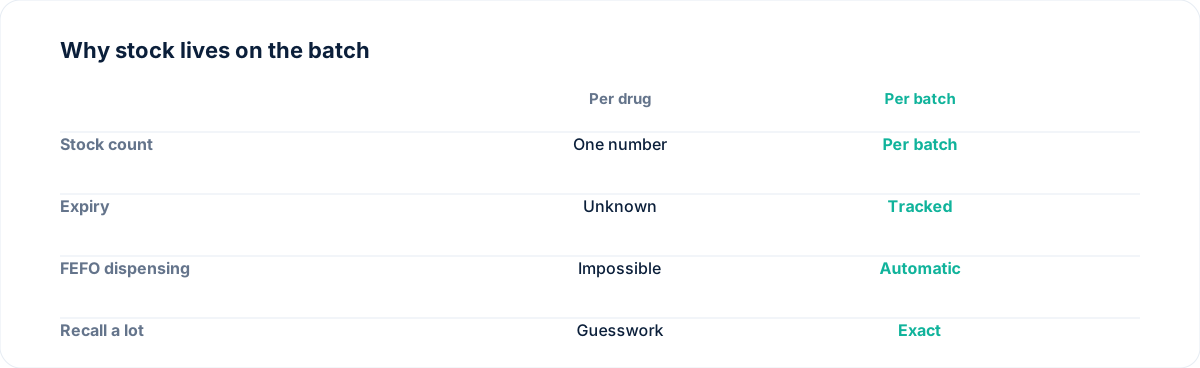
What batch-level stock unlocks
Once stock lives on the batch, four things that are otherwise impossible become automatic:
- FEFO dispensing (First-Expiry, First-Out). The system dispenses the batch that expires soonest, not whatever was scanned last. Less expired stock, less waste.
- Expiry alerts that mean something. "This batch expires in 30 days" is actionable. "You have paracetamol" is not.
- Recalls you can actually execute. When a manufacturer recalls lot number X, you need to know exactly which batch you hold and whether any of it was dispensed. Per-drug stock cannot answer that; per-batch stock answers it in one query.
- Honest margins. Different batches have different cost prices. Costing against the actual batch dispensed is the difference between a real margin and a guessed one.
The counter has to stay fast
Batch tracking is worthless if it slows the counter to a crawl. The best pharmacy systems do the batch work for the dispenser: scan or pick the drug, and the system proposes the correct FEFO batch automatically. The pharmacist confirms; they do not hunt. Safety should be the default path, not extra work.
Billing, GST/VAT and NPR
Pharmacy billing in Nepal has its own requirements:
- Prices and receipts in NPR.
- Correct tax handling on the invoice.
- A dispensing record tied to the prescription, so what was sold matches what was prescribed.
- Returns and credit notes that put stock back on the right batch.
Connected to the rest of care
A pharmacy inside a hospital or clinic should not be an island. When the doctor issues a digital prescription, it should arrive at the pharmacy ready to dispense, and the charge should flow onto the patient's bill without re-keying. A standalone pharmacy app cannot do that; a connected platform can.
A checklist for pharmacy software
- Does stock and expiry live on the batch, not the drug?
- Does it dispense FEFO automatically?
- Can I execute a recall by lot number?
- Are expiry alerts per batch?
- Is billing in NPR with correct tax?
- Do prescriptions from a connected clinic or hospital arrive ready to dispense?
Where CareSewa fits
CareSewa's Pharmacy ERP is built batch-first: stock and expiry live on the batch, dispensing follows FEFO, and expiry and recall are one query away — all priced in NPR. And because it shares one platform with the Clinic and Hospital ERPs, prescriptions arrive ready to dispense and charges land on the right bill automatically.
Talk to us about your pharmacy, or see the full ERP suite.
Frequently asked questions
Why should pharmacy stock be tracked per batch instead of per drug?
Because expiry, cost price and supplier all live on the batch, not the drug. You may hold three batches of the same medicine, each expiring on a different date and bought at a different cost. Per-drug stock can tell you 'you have 640 strips of paracetamol' but not which expire first — which is the only number that keeps a patient safe and lets you execute a recall. Per-batch stock is the difference between real pharmacy software and a price list with a stock number.
What is FEFO dispensing?
FEFO — First-Expiry, First-Out — means the system dispenses the batch that expires soonest, not whatever was scanned last. It minimises expired stock and waste. Good pharmacy software proposes the correct FEFO batch automatically at the counter so the pharmacist confirms rather than hunts. CareSewa's Pharmacy ERP dispenses FEFO by default.
Can pharmacy software handle a product recall?
Only if stock is tracked per batch. When a manufacturer recalls a specific lot, you need to know exactly which batch you hold and whether any was already dispensed. Per-batch stock answers that in one query; per-drug stock cannot answer it at all.
Does it bill in NPR with correct tax and connect to prescriptions?
Yes. CareSewa's pharmacy module prices and receipts in NPR with correct tax handling, ties each dispense to the prescription, and — because it shares one platform with the Clinic and Hospital ERPs — receives prescriptions ready to dispense and pushes the charge onto the patient's bill automatically.
See it on your own workflow
CareSewa runs ten healthcare ERPs on one no-code platform. Book a walkthrough for your hospital, clinic, pharmacy or lab.